
Equipment Financing
Preserve Cash While Upgrading
Acquire essential equipment without draining working capital, using the asset itself to support financing.
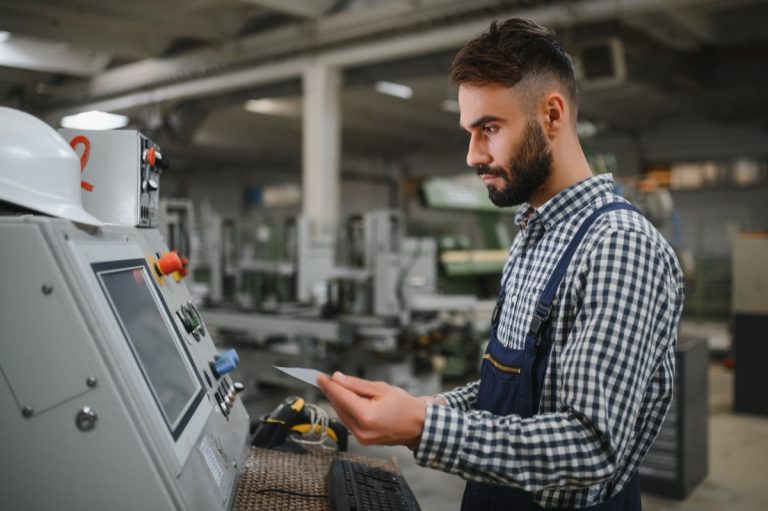
A Practical Guide to Upgrading Without Draining Cash
Equipment financing allows businesses to acquire essential tools, vehicles, or machinery without paying the full cost upfront. Instead of using large amounts of working capital, the equipment itself supports the financing structure, preserving liquidity while improving operational capacity.
For many companies, equipment is directly tied to revenue. The right machinery increases productivity, expands service capability, and reduces downtime. Financing spreads the cost across the useful life of the asset, aligning payments with the income it helps generate.
This structure protects cash reserves while enabling growth. Rather than delaying upgrades or exhausting savings, businesses can move forward strategically. Equipment financing is not about spending more. It is about timing investments responsibly so operations continue running smoothly.
Understanding how this funding works helps owners make decisions that strengthen long term performance instead of creating short term strain.
How Equipment Financing Works
The equipment being purchased serves as collateral for the financing. Because the asset supports the structure, approval is often more accessible than unsecured loans. Terms are typically aligned with the expected lifespan of the equipment.
Once approved, funds are used directly for acquisition. Payments are structured in predictable installments that match operational budgets. At the end of the term, ownership transfers fully to the business in most standard agreements.
Different structures exist depending on asset type, industry, and intended use. Some programs support upgrades and replacements, while others allow businesses to bundle multiple assets into a single financing plan.
Clear understanding of total cost, maintenance expectations, and asset value is essential before committing.

When Equipment Financing Makes Sense
This funding is ideal for businesses that rely heavily on specialized tools or machinery. Common uses include:
- Construction and heavy equipment
- Delivery vehicles and fleet upgrades
- Manufacturing machinery
- Medical or dental equipment
- Technology infrastructure
- Restaurant and hospitality systems
- Agricultural machinery
When equipment directly generates revenue, financing allows businesses to scale capacity without sacrificing liquidity.
Companies that grow through reinvestment often use equipment funding as a disciplined expansion strategy.
When It Is Not the Right Fit
Equipment financing is not designed for every situation.
- Equipment financing is not appropriate for purchases that depreciate rapidly without revenue return. If an asset does not contribute meaningfully to productivity, financing may create unnecessary cost.
- It is also not designed for businesses with unstable operations or unpredictable income. Payments must align with reliable performance.
The purpose of equipment funding is efficiency, not excess.
Real World Use Cases
A contractor upgrading machinery can accept larger projects immediately.
A logistics company adding vehicles can expand delivery routes without interrupting cash flow.
A medical practice purchasing new technology can increase service capacity while maintaining reserves.
Each scenario shows how equipment financing supports growth tied directly to operational output.
Benefits and Tradeoffs
The primary benefit is preservation of working capital. Businesses gain productive assets without draining reserves.
The tradeoff is commitment. Payments must be maintained even if the equipment is underutilized. Strategic planning ensures the asset produces value equal to its cost.
When matched correctly, equipment financing becomes an investment, not an expense.
Frequently Asked Questions
Ownership typically transfers at the end of the term.
Often the asset itself is sufficient.
Timelines vary but are generally faster than traditional loans.
In many cases, yes, depending on asset condition.
Structures vary based on industry and equipment type.
Investing in Capacity
Equipment financing is about strengthening capability without weakening liquidity. The right assets increase efficiency, revenue, and long term competitiveness.
When approached strategically, upgrading equipment becomes a controlled investment in growth rather than a financial gamble.