Equipment financing typically covers 80% to 100% of the equipment’s purchase price, and sometimes slightly more to include delivery, installation, or setup costs. The equipment itself generally serves as the collateral, which is why equipment financing often requires less additional documentation than an unsecured loan of a similar size.
What Is Equipment Financing?
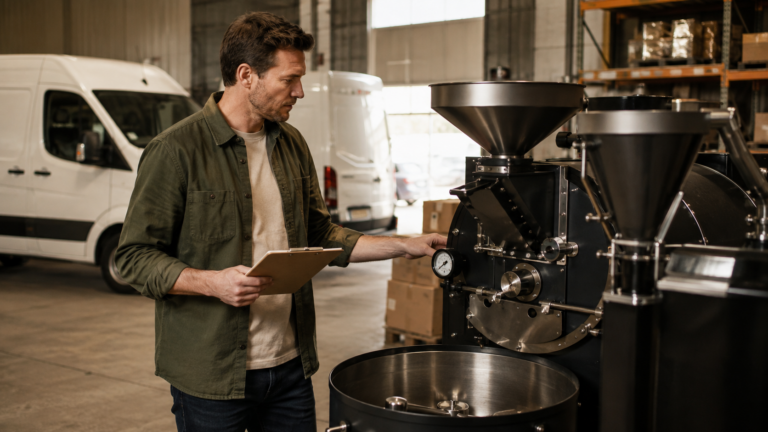
Equipment financing is a loan or lease structured specifically around purchasing business equipment — anything from a delivery van to a commercial oven to diagnostic machinery. Instead of tying approval primarily to the business’s overall credit profile, the equipment itself anchors much of the underwriting, since it doubles as the collateral securing the loan.
How Much Can You Borrow?
- Financing commonly covers 80% to 100% of the equipment’s purchase price.
- Some lenders will finance up to 100–110% to include soft costs like delivery, installation, or training.
- The exact amount depends on the type of equipment, its expected useful life, and whether it’s new or used.
- New equipment often qualifies for more favorable terms than used equipment, since it holds resale value longer.
What Counts as Collateral?
- The equipment being financed is typically the primary collateral — no separate business asset is usually required.
- The lender generally files a lien against the equipment itself, similar to how a car loan works.
- A personal guarantee may still be required alongside the equipment lien, depending on the lender and loan size.
- Because the collateral is built into the transaction, approval timelines are often faster than for unsecured financing.
What Types of Equipment Qualify?
- Construction and heavy machinery
- Restaurant and commercial kitchen equipment
- Medical and dental devices
- Commercial vehicles and fleet equipment
- Manufacturing and production equipment
- Technology and IT infrastructure
New vs. Used Equipment Financing
New equipment generally finances more easily and at better terms, since its value and expected lifespan are easier to underwrite. Used equipment can still qualify, but lenders will often look more closely at its condition, age, and remaining useful life before finalizing terms.
Frequently Asked Questions
Do you need a down payment for equipment financing?
It depends on the lender and the amount being financed. Some equipment financing covers the full purchase price, while other arrangements require a down payment, particularly for used or specialized equipment.
What happens to the loan if the equipment breaks down or is sold?
The loan obligation doesn’t disappear if the equipment is damaged or sold — the financing agreement remains in place, and most agreements require notifying the lender before selling financed equipment since it’s tied to the loan as collateral.
Can equipment financing cover software, or is it hardware only?
Most equipment financing is built around physical, tangible equipment, since that’s what serves as collateral. Software and other intangible costs are typically financed differently, though some lenders will bundle limited software costs into a broader equipment package.
Ready to Finance Your Next Equipment Purchase?
Apply today and Apex Lending Partners can help you see what you qualify for based on the specific equipment your business needs.